
Plasma exchange eases speech and swallowing problems in LEMS-MG case
Patient's severe difficulties persisted despite initial antibody-based treatment
Written by |
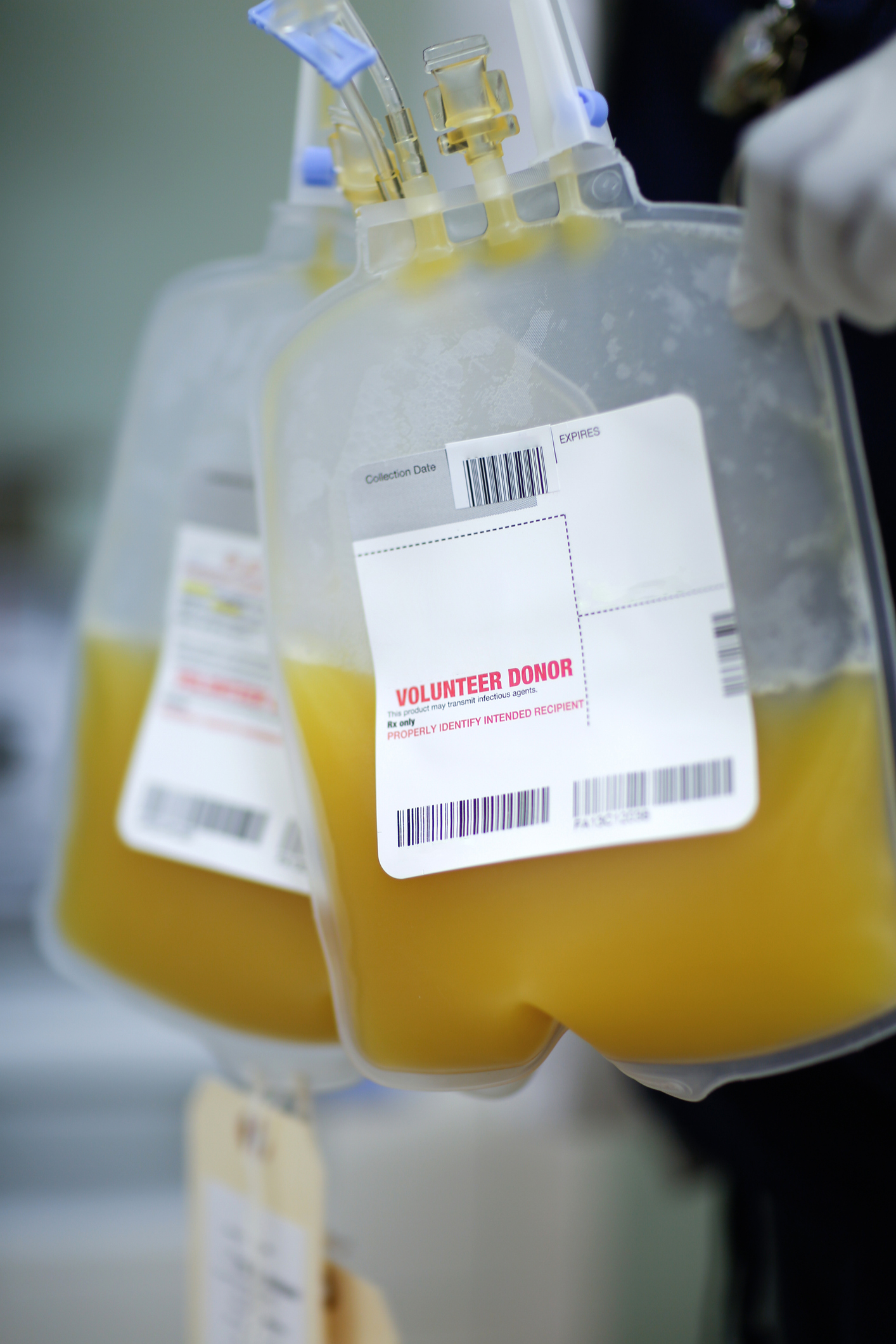
Plasma exchange eased severe speech and swallowing problems in a man with overlapping LEMS and myasthenia gravis, according to a case report. (Photo from iStock)




Plasma exchange, a procedure that removes harmful antibodies from the blood, eased severe speech and swallowing difficulties in a 63-year-old man with a rare overlap of Lambert-Eaton myasthenic syndrome (LEMS) and myasthenia gravis (MG) associated with a thymus tumor (thymoma), according to a case report.
The symptoms had persisted despite initial treatment with intravenous immunoglobulin (IVIG), but the response to plasma exchange helped prepare the patient for surgery to remove the thymus, which took place without complications. IVIG involves giving patients antibodies from healthy donors to help regulate the immune response and counter the harmful effects of self-reactive antibodies.
Plasma exchange “was effective in treating [treatment-resistant] bulbar dysfunction,” the researchers wrote, noting that electrical tests showed evidence of active LEMS in this patient. Bulbar dysfunction refers to problems in swallowing, chewing, and speaking.
The case report, “Plasma Exchange-Responsive Bulbar Dysfunction in Thymoma-Associated Myasthenia Gravis with Concomitant Lambert-Eaton Myasthenic Syndrome,” was published in Internal Medicine.

LEMS and MG disrupt nerve-muscle communication in different ways
LEMS and MG are two autoimmune disorders in which self-reactive antibodies disrupt communication between nerves and muscles, causing muscle weakness. LEMS typically causes weakness in proximal muscles, those closest to the body’s trunk, such as the muscles of the hips and thighs. LEMS may also affect the autonomic nervous system, which controls automatic bodily functions. This can lead to symptoms such as dry mouth, constipation, or urinary problems.
MG can affect the muscles that control eye and limb movements, as well as those involved in speaking, chewing, and swallowing.
In most LEMS cases, self-reactive antibodies target proteins in nerve endings called P/Q-type voltage-gated calcium channels (VGCCs). This reduces the release of acetylcholine, a chemical messenger needed for muscle contraction. In MG, antibodies most commonly attack acetylcholine receptors (AChRs), proteins on muscle cells that respond to this chemical messenger.
According to the researchers, about 50%-60% of people with LEMS have a type of lung cancer called small cell lung cancer. About 20% of people with MG have a thymoma, a tumor of the thymus gland, an immune system organ located in the chest.
Having both conditions, known as MG-LEMS overlap syndrome (MLOS), is exceptionally rare. According to the researchers, about 80% of people with MLOS have detectable anti-AChR antibodies, while about 50% have detectable anti-P/Q-type VGCC antibodies.
“Establishing an optimal therapeutic strategy for such complicated cases is challenging,” the researchers wrote.
Tests confirm rare overlap of two autoimmune disorders
Researchers in Japan described the case of a 63-year-old man with MLOS whose condition improved substantially after plasma exchange. During the procedure, the liquid portion of the blood, called plasma, is removed and replaced, helping to clear circulating self-reactive antibodies.
The man had experienced several months of swallowing difficulties, slurred speech, dry mouth, constipation, frequent urination, and limb weakness. A neurological examination revealed proximal limb weakness, as well as drooping eyelids, double vision, and reduced tendon reflexes.
Blood tests showed elevated anti-AChR antibody levels, supporting an MG diagnosis. However, anti-P/Q-type VGCC antibodies were not detected. CT scans of the chest and abdomen revealed a mass consistent with a thymoma but showed no evidence of small cell lung cancer or other cancers.
Despite the absence of these antibodies, electrical testing of the nerves and muscles revealed problems with signaling from the nerve endings to the muscles, a characteristic feature of LEMS that confirmed the diagnosis. According to the researchers, the combined effects of impaired signaling from the nerves (LEMS) and an impaired response to those signals in the muscles (MG) may have contributed to the severity of the man’s bulbar symptoms.
The man initially received corticosteroids, medications that reduce inflammation and suppress immune system activity, and a five-day course of IVIG. Although his eye and limb muscle weakness eased, severe swallowing and speech problems persisted.
Plasma exchange improves speech and swallowing
He then underwent repeated sessions of plasma exchange, which substantially improved his ability to swallow and speak. Electrical testing also showed improved nerve-muscle communication.
The man received a second course of IVIG four days after the final plasma exchange session, allowing him to safely undergo surgery to remove the thymus. Analysis of the removed tissue confirmed a thymoma. Following surgery, the man’s quality of life improved substantially, with few remaining symptoms.
“This case highlights that [plasma exchange] may be more efficacious than IVIg for bulbar symptoms in MLOS, particularly with prominent [nerve-side] involvement,” the researchers wrote. They suggested that the direct removal of circulating antibodies through plasma exchange may have helped relieve the man’s symptoms more quickly. However, the researchers could not rule out contributions from the second course of IVIG or improvements in MG itself.
The case also highlighted the potential value of detailed nerve and muscle testing in guiding treatment decisions for people with MLOS. However, further research is needed to determine whether plasma exchange offers greater benefits than IVIG for bulbar symptoms in people with MLOS.



Leave a comment
Fill in the required fields to post. Your email address will not be published.